


The Venezuelan Virgins Islands
By Alejandro Linares
Captain’s Log – Entry 2143
The Virgins of the North have their fame — their marinas, their ferries, their crowds. But the true Virgins, the ones no one tells you about, lie south. Out there, beyond the gossip and the routes worn thin by charter fleets, are islands that remain what the Caribbean once was: untouched, unclaimed, unforgettable.
Every sailor knows the name “Virgin Islands.” Charts of the north — St. Thomas, Tortola, Virgin Gorda — are crowded with anchor symbols, marinas, and ferry routes. But few realize that the story doesn’t end there. Sail a little further south, beyond the gossip and the over-sailed lanes, and you’ll find their wilder sisters: the Venezuelan Virgin Islands.
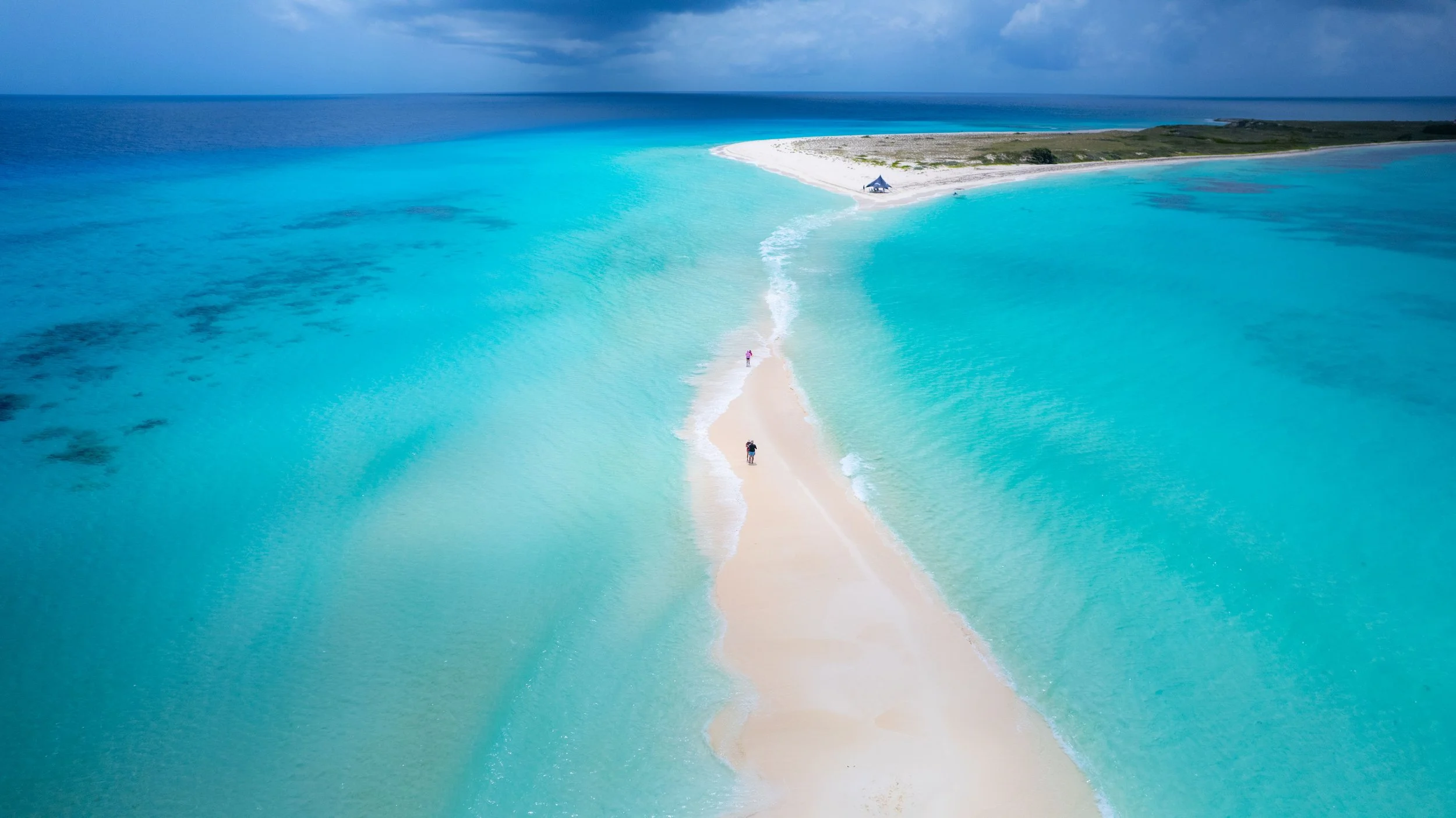
Here, the Caribbean feels new again. Anchorages with no mooring balls, just sand and seagrass. Beaches where the only footprints belong to pelicans. Reefs so untouched they rise like cathedrals beneath the keel. These islands are not charted in glossy brochures — they are whispered about between captains over rum at midnight.
Known locally as Las Vírgenes, they sit between Tortuga and La Orchila, part of Venezuela’s mosaic of islands that includes Los Roques, Las Aves, La Blanquilla, and Los Testigos. Yet the Virgins hold a particular kind of magic. They are a sailor’s test: no resorts to fall back on, no bars with rum punches waiting. You bring what you need. You leave with what the sea gives.
Step onto the beach, and you feel like you’ve walked into a world paused in time. There are no hotels, no kiosks, no shops. Only the sound of the wind through the sea grapes and the hiss of the surf. Occasionally, you’ll meet fishermen who live between sea and sand, offering fresh lobster or pargo in exchange for a few liters of fuel or a loaf of bread.
Meals are eaten barefoot on the sand, stories told under stars unbroken by city lights. It is here that you understand what “owning paradise” feels like — not in possession, but in belonging.
The northern Virgins may offer convenience, but the southern Virgins offer truth. This is the Caribbean before it was sold, the Caribbean that sailors carried in their dreams when they first set a course south. It is not for everyone — and that is exactly why it is perfect.
Out here, there are no marina receipts, no charter fleets crowding the bay. Only a logbook entry that reads: “Anchored in paradise, unmarked on the map. Eight shades of blue, one memory forever.”
So when your compass swings south and the horizon is wide, remember: the Virgins don’t end in St. Thomas. They wait here, in Venezuela, still pure, still untouched, still ours — and still yours.
Captain’s Notes – Navigating the Venezuelan Virgins
Prevailing Winds
Northeast trades dominate, steady at 15–20 knots most of the year.
Calmer mornings with increasing winds by afternoon.
Seasons
Best months: December to May (dry season, steady trades).
Rainy season: June to November — lighter winds, occasional squalls, out of hurricane belt.
Approach
Approach only in good light (sun high, seas calm) — reefs rise abruptly, charts are limited.
Depth sounder and visual lookout are essential.
Anchorages
Sand bottoms offer reliable holding, 5–15m depth. Shoal-draft yachts can tuck closer to the reef, while deeper vessels should hold off the larger cays.
Currents & Tides
Tidal range: small (30–50 cm), but currents run strong along reef edges.
Watch for set when approaching passes — they can push you onto coral quickly.
Provisions & Services
None. Bring all supplies. Fishermen may barter lobster or pargo for fuel, rice, or bread.
No fuel docks, no shops, no marinas.
Safety & Respect
Anchor only on sand. Protect the reefs.
Leave nothing behind. Take only memories.

The Caribbean We Refuse to Lose
Every sailor knows that charts can lie. The reef drawn as a hazard is often the safest anchorage. The “danger zone” marked in red can hide the calmest lagoon. And sometimes, the loudest warnings come not from the sea, but from those who want to keep you away.
For years, Venezuela has been painted as a place to avoid. Stories of chaos, of danger, of shadows on the horizon. But ask anyone who has truly sailed here, and they’ll tell you something different: our waters are calm, our people welcoming, our islands untouched. The real story is not one of crime or cartels — it is of oil, the black gold beneath our soil, the largest reserves in the world, and the contested Esequibo territory that holds even more. That truth is harder to print, so the world is told another tale.
Nations have always fought to redraw the map in their favor. Yesterday it was Iraq and Libya; today it is Venezuela and the Esequibo. The tools are always the same: sanctions, headlines, speeches about freedom. Yet while governments argue, sailors see what endures — turquoise seas, coral anchors, fishermen who serve lobster on the sand. Out here, there is no “failed state,” only a sanctuary of blues and whites more vivid than any flag.
Even those who shout the loudest cannot hide the truth forever. The same hands that sign sanctions also sign oil contracts. Chevron’s renewed license is proof enough: what they want is not our downfall, but our resources.
This is why we sail, why we write, why we keep a logbook. To remember what is real, and to share it with those who only know the headlines. The Caribbean we love is not a battlefield. It is a sanctuary — one we refuse to lose.
Where the Maps End, We Begin
It all begins with an idea.
They say the Caribbean has already been discovered. That every island has been charted, photographed, and sold back to us in glossy brochures and Instagram reels. But the truth is simpler: the most extraordinary places aren’t on those maps. Not yet.
Welcome to Caribbean Logbook, a magazine written like a captain’s journal and dedicated to the last untouched frontier of the Caribbean: the uncharted islands of Venezuela. This isn’t another glossy travel brochure. It’s a smuggled treasure map, a logbook of real stories, and a love letter to the waters where the horizon still feels endless.
My name is Alejandro Linares. For more than two decades, I’ve cleared in everything from thirty-foot catamarans to ninety-meter megayachts. I’ve guided sportfishing legends through reefs with no charts, delivered bread and fruit by dinghy to sandbanks invisible on the plotter, and led captains to safety when their instruments failed. And through it all, I’ve discovered something most sailors never see: the ultimate Caribbean sanctuary. A place where you feel, even if only for a moment, that you own the paradise itself—where the sea reveals eight shades of blue, where the sands stretch wider than anywhere else in the Caribbean, and where silence is broken only by wind and tide.
I created this magazine because too many sailors still pass us by—steered away by outdated blogs, dockside rumors, and old headlines. And in doing so, they miss the most breathtaking waters in the ocean. My mission is to change that.
Inside these pages, you’ll find routes and anchorages still whispered about by fishermen, live stories of life on the sand where seafood becomes five-star under the stars, and glimpses of how NAVIA—our AI for the sea—is rewriting the way we navigate.
This isn’t just a magazine. It’s a logbook. A movement. A blueprint to reclaim paradise and return it to sailors, dreamers, and the coastal communities that keep it alive.
So sail south. Drop anchor. And discover what the world forgot.
— Alejandro Linares
Founder, Yachtservice Los Roques